Tending What's in Front of Us
Welcome to the Weekly Edition
Happy Sunday! This week's newsletter has something for everyone. We're announcing an exciting contest where you could win a California native plant, exploring how easy it is to bring fresh herbs right into your kitchen this winter, and sharing some practical tips for cutting down your electricity bill (because who doesn't want to save a little money?). We'll also check in on what's happening in class this week and wrap up with a gentle reminder about what matters when things feel heavy.
For Students
Win a California Native Plant!
I have a fun announcement this week. On Friday, January 30th, I'm releasing a new video all about planting California native plants. Somewhere in that video, I'm going to ask a question – and here's where it gets interesting.
Anyone can enter the contest by commenting on the video with your answer to my question. Anyone can read through the comments and like their favorites. The top 5 comments with the most likes will each win a Salvia apiana compacta – that's the compact white sage. Beautiful plant, perfect for a California garden.
The most-liked comments will be determined on Friday, February 6th, one week after the video is released.
A few quick rules: limit one entry and one plant per family, and in case of a tie, I reserve the right to pick the winner. Also, if you win, you'll need to be able to pick up your prize from one of my class locations – I won't be shipping these out. The contest is open to everyone, but you do need to be close enough to come get your plant if you win.
So keep an eye out for that video on Friday!
This Week in Class
In Regenerative Gardening this week, we're diving into slow food. We'll talk about how our food impacts our health, and we'll discuss potential locations for our spring project next semester. This is going to be a good one.
And a quick reminder: next week (week 5) is field trip week. We'll be visiting Glendora Gardens Nursery. Details about the field trip will be emailed to all current students and shared in class, so make sure to check your email.
In the Garden – Growing Herbs on Your Kitchen Windowsill
Here's something I love about January in California: even though it's winter, we can still grow fresh herbs right inside our homes. And I'm not talking about anything complicated – just a sunny windowsill, a few pots, and you're set.
Growing herbs indoors this time of year has some real benefits. For one, the temperature inside is much more stable than outside, so your herbs aren't dealing with those occasional cold snaps we get in January. They're also right there in your kitchen when you need them – no running outside in the dark to grab some basil for dinner. Plus, the scent is wonderful. There's something about having fresh herbs nearby that just makes a space feel more alive.
Here are five herbs that do really well on a kitchen windowsill in January:
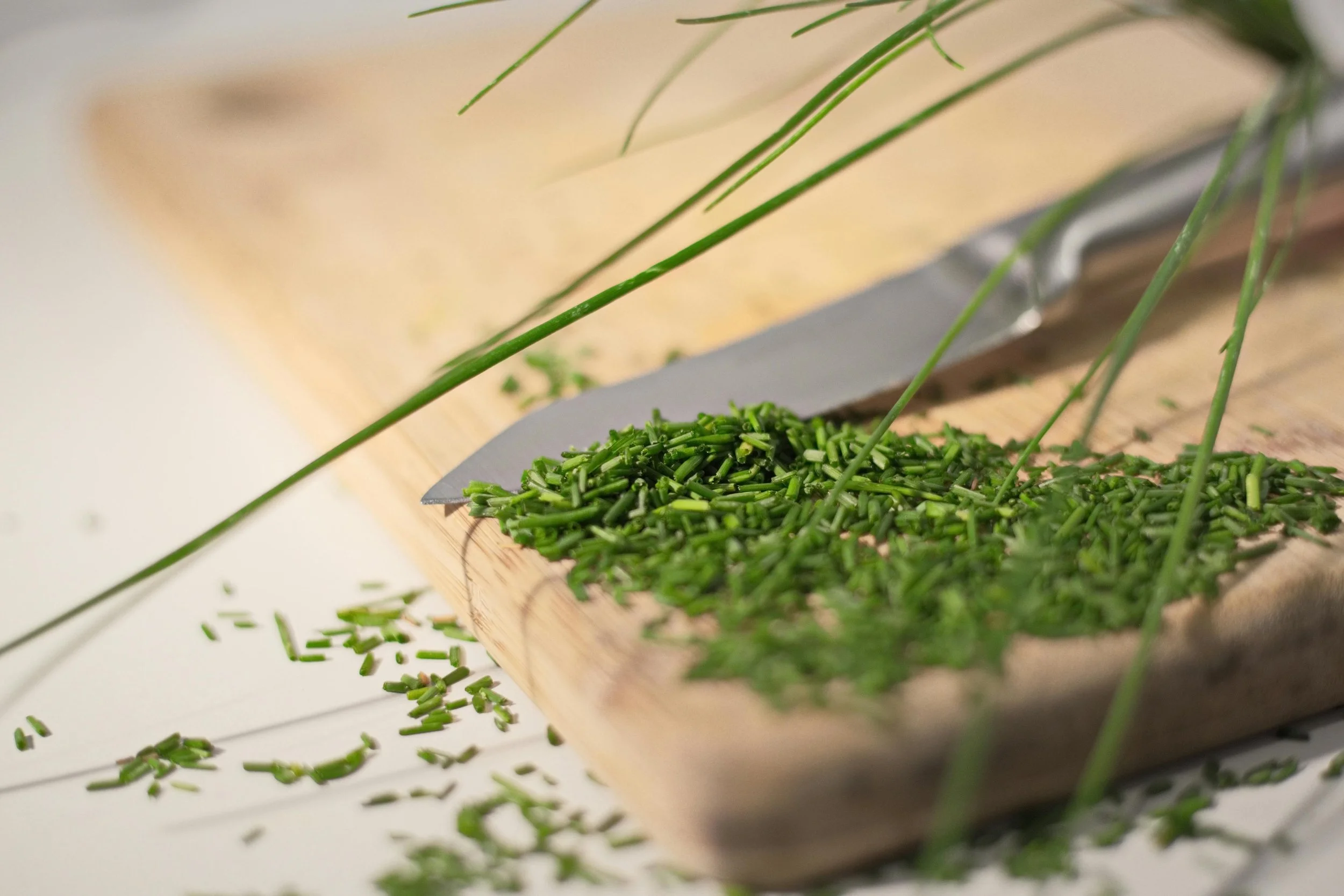
1. Chives
Chives are about as low-maintenance as it gets. They like a sunny spot, but they're pretty forgiving. Snip them fresh for omelets, baked potatoes, salads, soups – anywhere you want a mild onion flavor. They'll keep growing back as long as you don't cut them all the way to the soil.
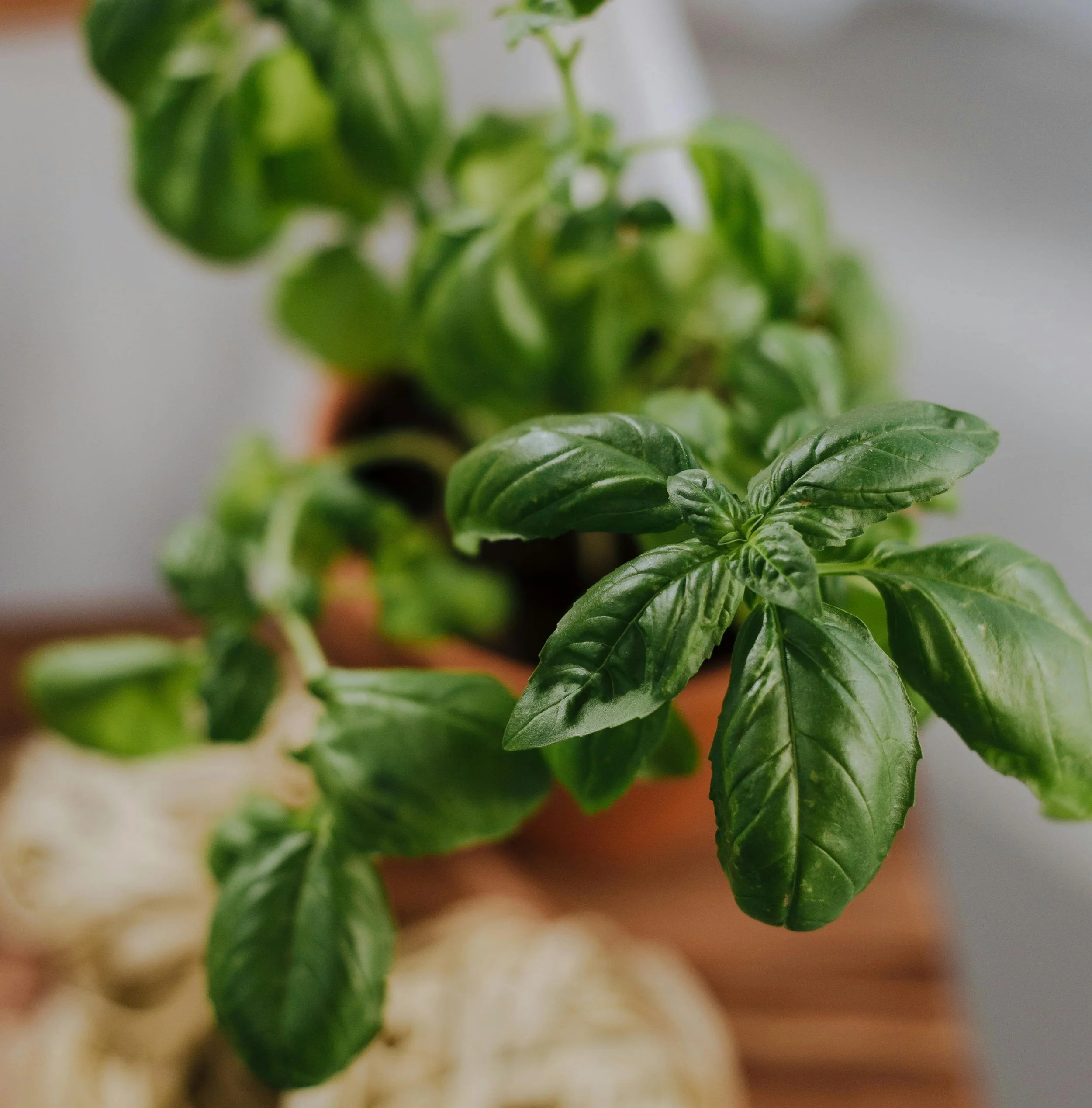
2. Basil
Basil loves warmth, which makes it perfect for growing indoors during our cooler months. It needs good light – a south-facing window is ideal. Fresh basil is amazing in pasta, on pizza, in pesto, or even just torn into a salad. One tip: pinch off any flower buds that start to form. That keeps the plant focused on producing leaves instead of going to seed.
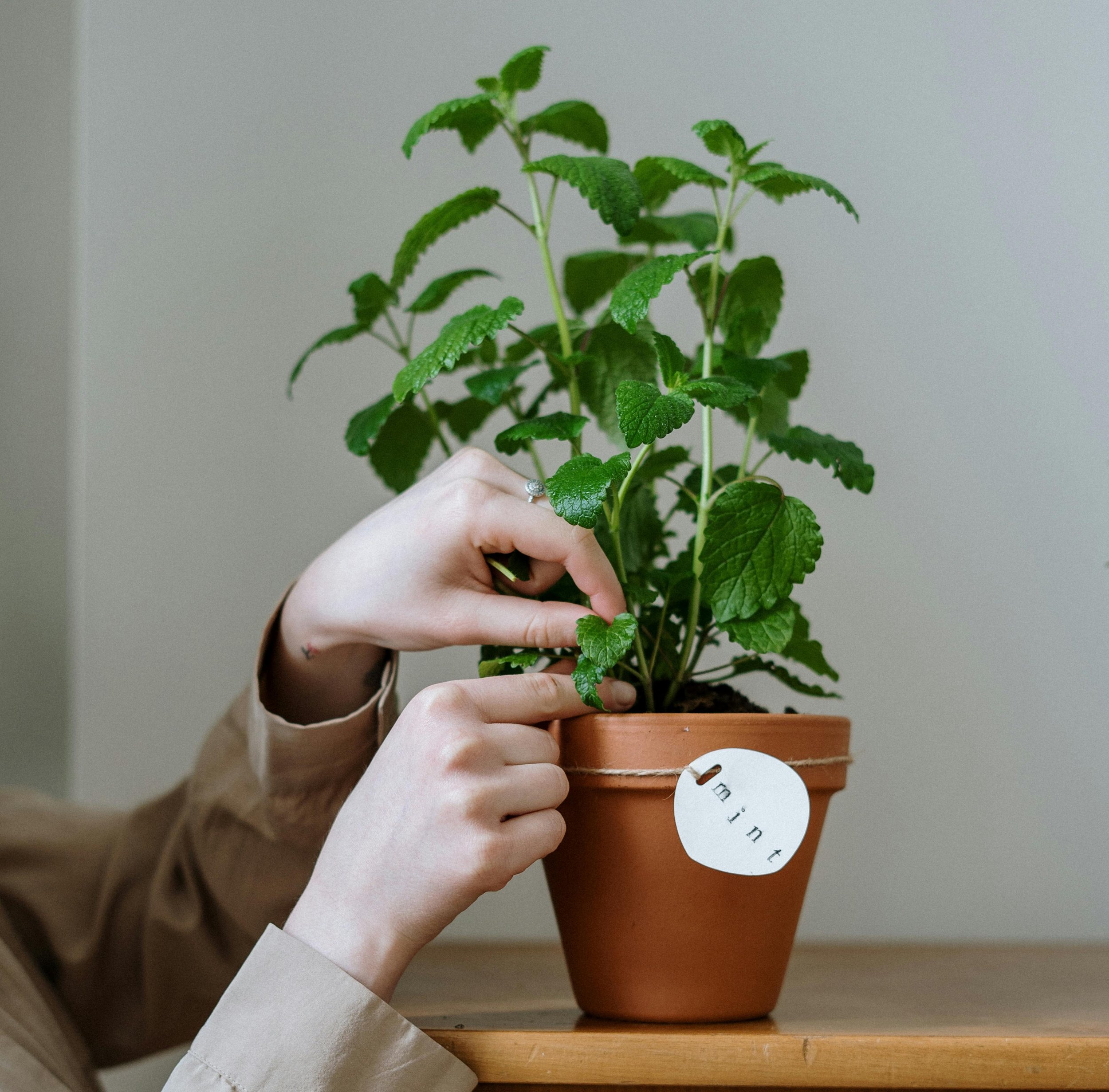
3. Mint
Mint is almost impossible to kill, and it grows like crazy. In fact, if you plant it outside, it can take over your whole garden – so keeping it in a pot on the windowsill is actually a smart move. Use it in tea, with fruit, in summer rolls, or even just muddle it into water for a refreshing drink. Mint needs good drainage, but it also likes to stay moist – so don't let it completely dry out between waterings.

4. Rosemary
Rosemary is tough, drought-tolerant, and smells incredible. It likes bright light and doesn't need much water – in fact, it's better to let the soil dry out a bit between waterings. Use it with roasted vegetables, potatoes, chicken, bread – it's one of those herbs that makes everything taste a little fancier. And the scent alone is worth growing it. One note: variety matters with rosemary. Some varieties can get huge, so if you're planning to keep it on the windowsill long-term, look for a plant that stays smaller. Of course, you can always transplant it outside later if it outgrows its indoor space.
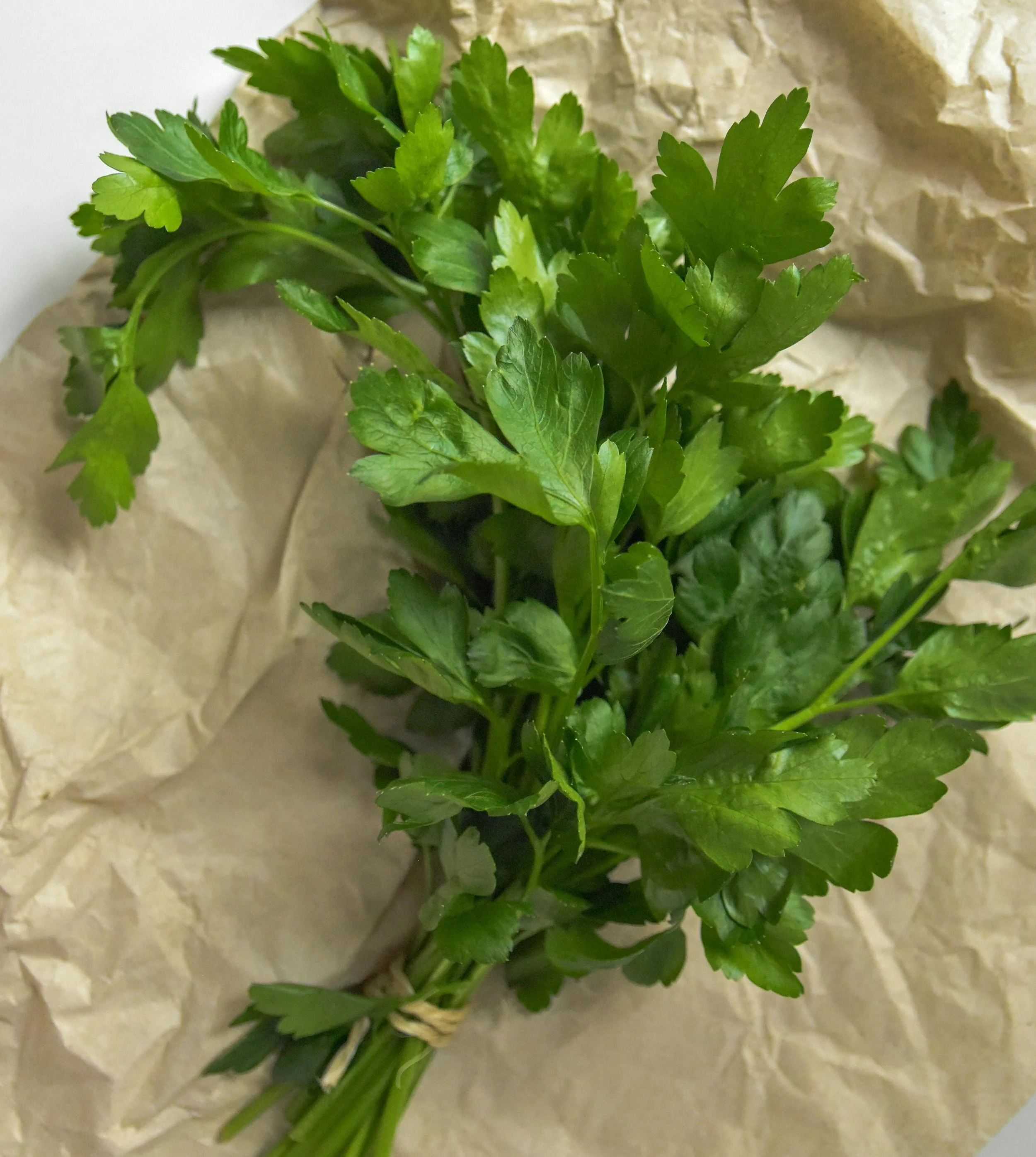
5. Parsley
Parsley is a kitchen workhorse. It's great in soups, stews, salads, grain bowls, or just chopped up as a garnish. It likes consistent moisture (but not waterlogged soil) and does well in bright, indirect light. Flat-leaf parsley tends to have a stronger flavor, while curly parsley is a bit milder – both work great indoors.
If you've never grown herbs indoors before, this is a really good time to try it. Start with one or two, see how they do, and go from there. You don't need anything fancy – just a pot with drainage, some potting soil, and a windowsill that gets a few hours of sun each day.
Living Sustainably – Cutting Down on Electricity Use
Even though electricity is often cleaner than burning fossil fuels directly, the truth is that some of our electricity still comes from power plants that burn natural gas, coal, or other fossil fuels. And even if we're not worried about that, cutting back on electricity use can save us money – and I think we can all agree that saving money is a good thing.
Here are some simple ways to reduce your electricity use:
1. Turn off the lights when you leave a room.
This one seems obvious, but it's easy to forget. If you're not in the room, the lights don't need to be on.
2. Don't leave electronics running when you're not using them.
TVs, computers, game consoles – if you're done with them, turn them off. Leaving them on "just in case" or as background noise adds up over time.
3. Unplug chargers when they're not actively charging something.
Even when nothing's plugged into them, chargers draw a small amount of power. It's called phantom power or vampire power, and it's one of those sneaky energy drains we don't usually think about.
4. Use power strips for clusters of electronics.
If you have several devices plugged into the same area – like a computer, monitor, printer, and speakers – plug them all into a power strip. That way, you can turn everything off with one switch instead of hunting down each plug.
5. Wash clothes in cold water when possible.
Heating water uses a lot of energy. Most laundry comes out just as clean in cold water, and your clothes will last longer too.
6. Air-dry dishes instead of using the heated dry cycle.
If your dishwasher has a heated dry option, turn it off. Just crack the door open when the wash cycle finishes and let the dishes air-dry. Works just as well and saves energy.
7. Adjust your thermostat by a degree or two.
In winter, try turning your heat down just one or two degrees. In summer, turn your AC up a bit. You probably won't even notice the difference, but your energy bill will.
None of these things are huge on their own, but they add up. And the nice thing is, most of them don't require any real effort once you get in the habit.
Thought of the Week: Tending What's in Front of Us
There are days when the world feels overwhelming, when the problems seem too big, and when it's hard to know what to do with all of it.
On days like that, I try to remember something simple: I can't fix everything, but I can tend to what's in front of me.
That might mean watering a plant. Checking in on a friend. Cooking a meal. Answering a student's question. Picking up a piece of litter on a walk. Small things. Quiet things. Things that don't solve the big problems, but that still matter.
There's something grounding about caring for living things – whether that's a garden, a pet, a person, or even yourself. It reminds us that growth takes time, that not everything has to be solved today, and that small acts of care add up in ways we don't always see right away.
I don't know what you're carrying this week. But I do know that you don't have to carry it all at once. You don't have to have all the answers. You don't have to fix everything that's broken.
Sometimes, the most meaningful thing we can do is just tend to what's right in front of us – with patience, with kindness, and with as much care as we can manage.
And that's enough.
Take care of yourselves this week. I'll see you next Sunday.
