Tending the Threshold
Welcome to the weekly edition
Some weeks the garden feels like a beginning. Some weeks it feels like an ending. This week it feels like both.
The Conservation Corps class wraps up this Friday, the cool season is quietly handing the baton to the warm season, and I'm standing on the edge of a busy new chapter with Cal Poly Pomona on the horizon. Meanwhile, the tomatoes are already flowering, the herb spiral is thriving, and I'm staring at a flower-filled bed trying to decide which mulch to use. Transitions everywhere.
This week's newsletter is all about those in-between moments — what to notice, what to protect, and what to let go of. We'll dig into mulch as our main In the Garden topic, with a tour of six different mulch options and how to choose the right one for your space. I'll also be hosting the Monday livestream at 5:30 PM, where I'll be showing off a jaboticaba preservation method using rum (yes, really).
Thanks for being here. Let's get into it.
For Students
This Week's Classes
Regenerative Gardening — Week 9 (Thursday, April 23): Container Gardening. We'll cover how to start a container garden, how to take full advantage of its benefits, an introduction to self-watering pots and wicking beds, and a group discussion on how the limits of containers — space, soil, water, and root room — change the way we garden.
Fundamentals of Sustainability — Week 9 (Friday, April 24): Practical Applications of Sustainability II. We'll dive into water conservation, fuel efficiency, and effective waste management techniques, discussing practical steps for reducing environmental impact at home and in the workplace, with a focus on making sustainability an accessible and realistic goal.
Conservation Corps — Final Class This Week
This Friday is our last class of the semester for the Conservation Corps cohort. I want to make sure every Corps member does their best to be there. Since we haven't had many formal in-class lectures this semester, I've prepared a short lecture to close things out, followed by a walk to the Old Oak Tree. I'll bring my singing bowl to mark the end of our time together. It's going to be a meaningful sendoff and I'd love to see everyone there.
A Quick Reminder About Email
If you need to reach me, please use my official Mt. SAC email address (bbrown40@mtsac.edu). I set up the email on my website to keep my personal projects separate from my teaching work, but I don't check that inbox as often. For anything class-related, the Mt. SAC address is the fastest way to get a response.
Looking Ahead — A Busy Summer
I want to give my students a heads-up about what's coming for me over the next few months, because it will affect my availability:
May: I'll be designing and preparing the new practical garden skills course I'm developing with Jennifer Pihlak for the Lyle Center at Cal Poly Pomona.
June and July: I'll be teaching the HSR high school program, as I have in summers past. That tends to be a 60–70 hour per week stretch.
Fall: I'll be teaching at both Mt. SAC and Cal Poly Pomona at the same time, at least for the fall semester. Whether the Cal Poly course continues past that is still being decided.
I'll still be producing the newsletter and the Monday livestreams throughout, but response times on email may be slower than usual during the summer stretch. Appreciate your patience in advance.
Community News
San Dimas Arbor Day — Saturday, April 25
I'll be tabling at the City of San Dimas Arbor Day event this coming Saturday, April 25th, from 9:00 AM to 12:00 PM. The event is free and open to the public, and the City is giving away free mulch along with a full slate of other family-friendly activities. I'll be there handing out seeds and chatting with anyone who wants to talk gardening, sustainability, or regenerative practices. So come on down and say hello!
In the Garden
A Quick Tour — Spring Progress
I haven't added as many things to the garden this week as the past few weeks, but a few spots are still worth checking in on. Here's a short update from three projects that are coming along beautifully.
The Herb Spiral — One Week In
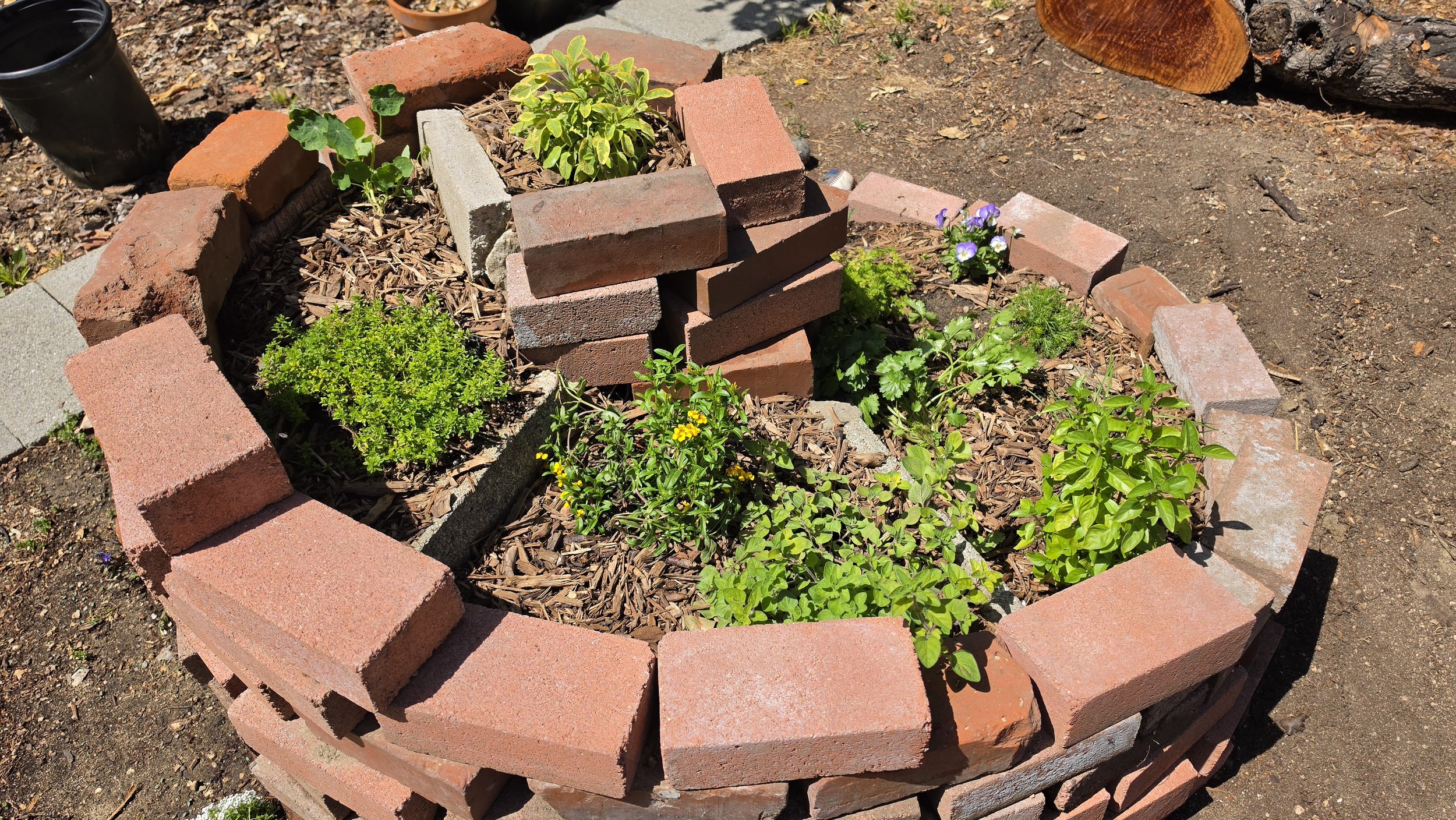
The herb spiral at my parents' garden is settling in nicely. With the wood chip mulch in place, we've been able to stretch our watering intervals to about three days between sessions even as temperatures have started to climb — and everything is looking happy. The mulch is doing exactly what it's supposed to: slowing evaporation, keeping the soil cooler, and giving the roots a buffer against the heat.
One of the things I love about the herb spiral design is how it creates its own little water gradient. When we water at the top, the excess trickles down through the beds, so the plants at the higher, drier end — like the thyme and sage — get what they need without getting waterlogged, while the more moisture-loving plants at the base stay consistently hydrated. You can see the viola down at the bottom absolutely thriving, which is a good sign that the whole system is in balance. The Mexican tarragon in the middle is also putting on a cheerful little show with its yellow blooms. It's one of those early wins that makes all the planning feel worth it.
North Fence Flower Bed — Two Weeks In
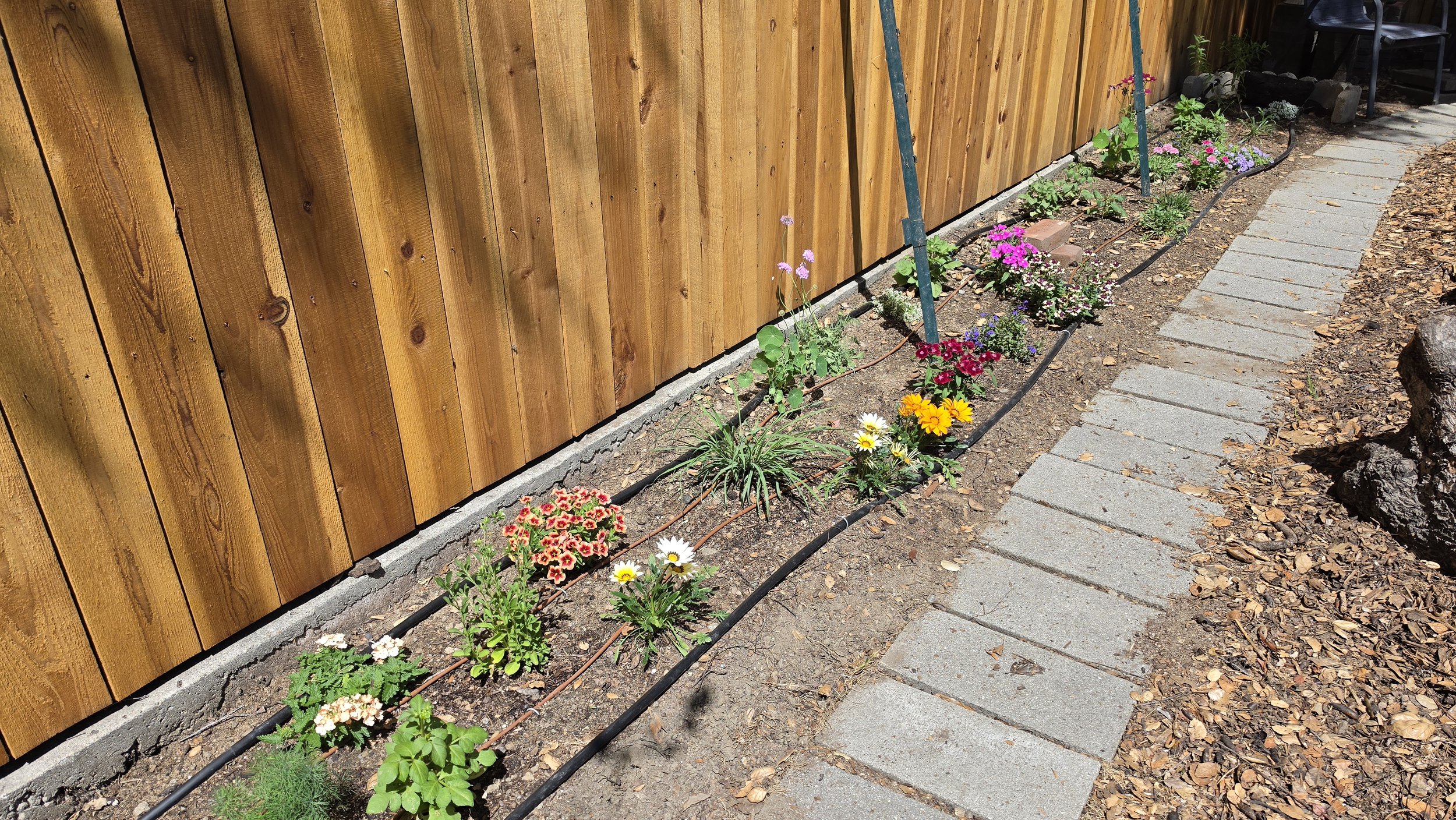
Two weeks in and the flowers along the north fence are absolutely thriving. With a colorful mix of gazanias, dianthus, verbena, and more running the length of the fence line, the bed has really come to life. What's been surprising is how little water they've needed — they're drinking less than expected and still putting on a great show. The soil here was quite sandy and low in organic matter, so I added a modest amount to get things started.
The one thing still on my to-do list for this bed: mulch. I haven't gotten any down yet, and given how well everything is already performing without it, I'm genuinely curious to see what happens once I do. Right now I'm deciding between pulling some of the orchard wood chips we've been using elsewhere in the yard or going with something lighter like straw. The family is leaning toward the wood chips for the look, and honestly I think that's the direction we'll go — keeping the whole yard visually consistent while giving these flowers the moisture retention they deserve heading into the warmer months.
The Raised Bed — Two and a Half Weeks In
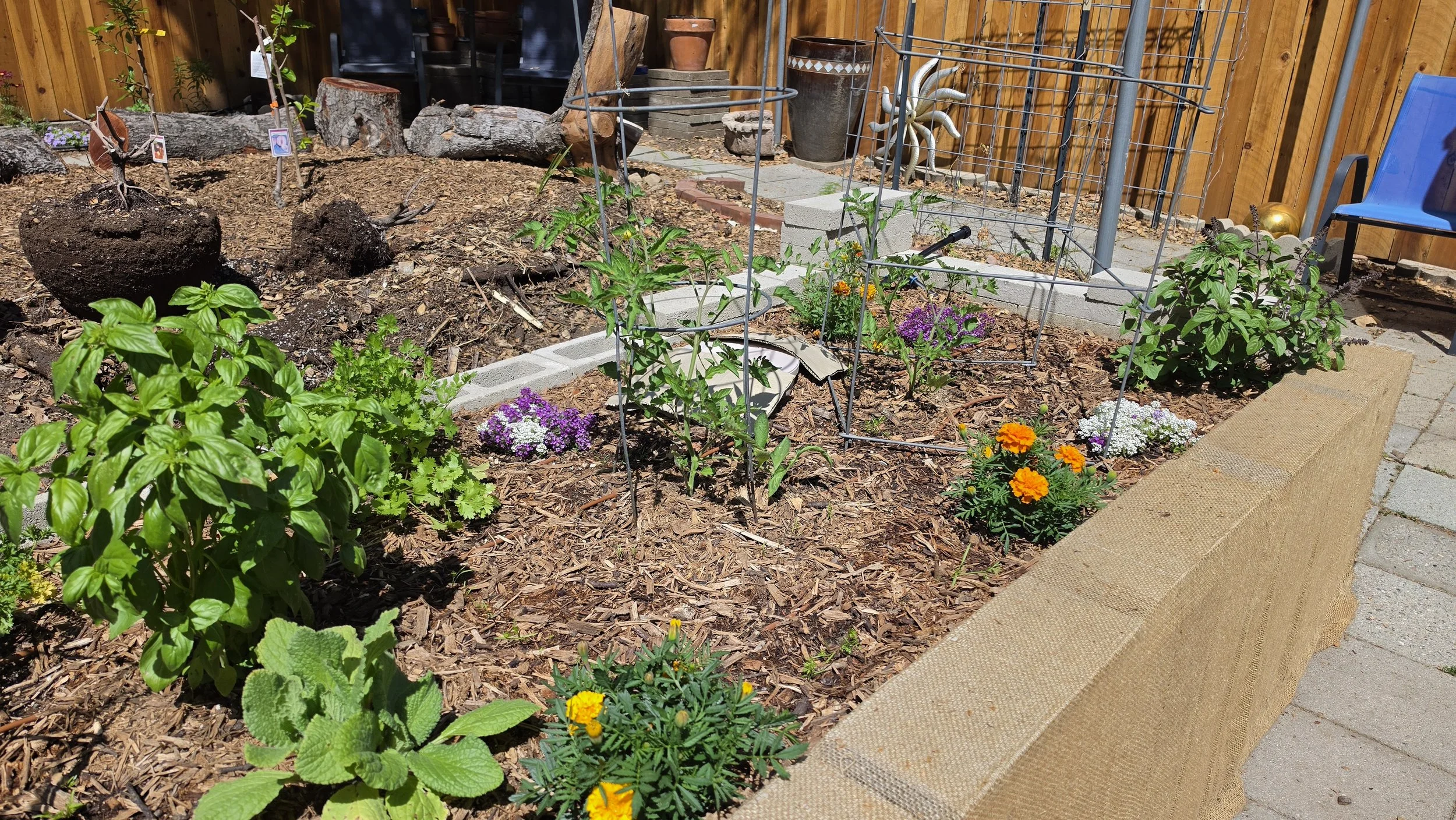
Two and a half weeks since we finished the raised bed, and I have to say — I'm genuinely amazed at how fast everything is taking off. The tomatoes are at least three times the size they were at planting, and the basil on the left side of the bed is absolutely going bonkers. It's lush, it's fragrant, and it's already looking like it wants to take over. Scattered throughout the bed, the marigolds and alyssum are providing bright pops of orange, yellow, and purple — and honestly, I didn't expect the alyssum to be blooming this enthusiastically this soon. Both of the tomatoes visible in this photo already have flowers on them, which means fruit isn't far off.
I want to be transparent that not everything is equally along. The Cherokee Purple tomato on the west end of the bed got stunted early on and I've been keeping a close eye on it — I even considered pulling it. But it seems to finally be pushing out some new growth, so I'm giving it one more week before I make any decisions. The Black Star next to it also had a slow start but has started picking up, just not quite as fast as the others. Sometimes that’s just how things go.
One experiment I'm particularly excited about: if you look closely at the soil around the base of the tomatoes, and the line between the two marigolds front and center, you can see tiny carrot seedlings just beginning to poke through. This is my first time trying the classic tomato-and-carrot companion planting, and so far so good. In a week or two I'll go through with scissors and thin out the weakest ones to give the strongest seedlings the spacing they need to size up properly.
This Week's Main Topic: A Gardener's Guide to Mulch
Mulch is one of the most impactful tools a regenerative gardener has, and April is exactly the right time to be thinking about it. Before the heat of May and June sets in, getting mulch down now means protecting soil moisture, suppressing weeds, moderating soil temperature, and feeding the soil food web as the material slowly breaks down. But not all mulches are created equal, and the right choice depends on what you're growing, where you're growing it, and what trade-offs you're willing to make. Here's a tour of six mulches I use and recommend.
Wood Chips (Orchard Bark)
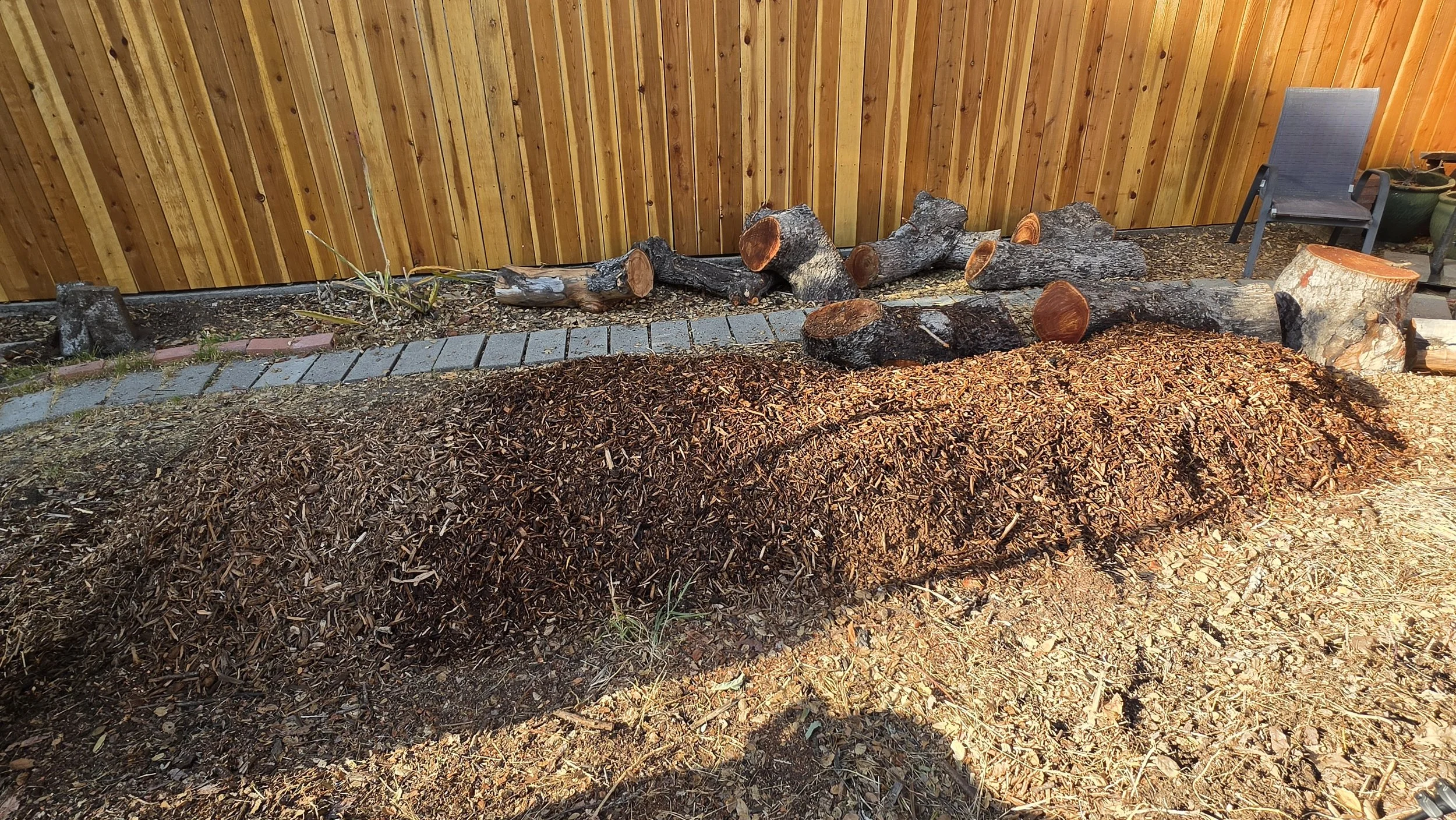
Wood Chip Mulch / Orchard Bark
Wood chips are my go-to mulch for most situations. The chips I’m using right now are orchard bark — a byproduct of local orchard trimming — and they break down slowly, feeding the soil over time while locking in moisture beautifully. Some gardeners avoid wood chips around annual vegetables because the chunks can feel heavy and awkward around delicate seedlings, and there's a persistent concern about nitrogen tie-up. In practice, as long as the chips are sitting on top of the soil rather than being mixed in, nitrogen tie-up is minimal and only affects the very top layer. Around fruit trees, perennials, and established vegetable beds, they're hard to beat.
Gorilla Hair (Shredded Redwood)
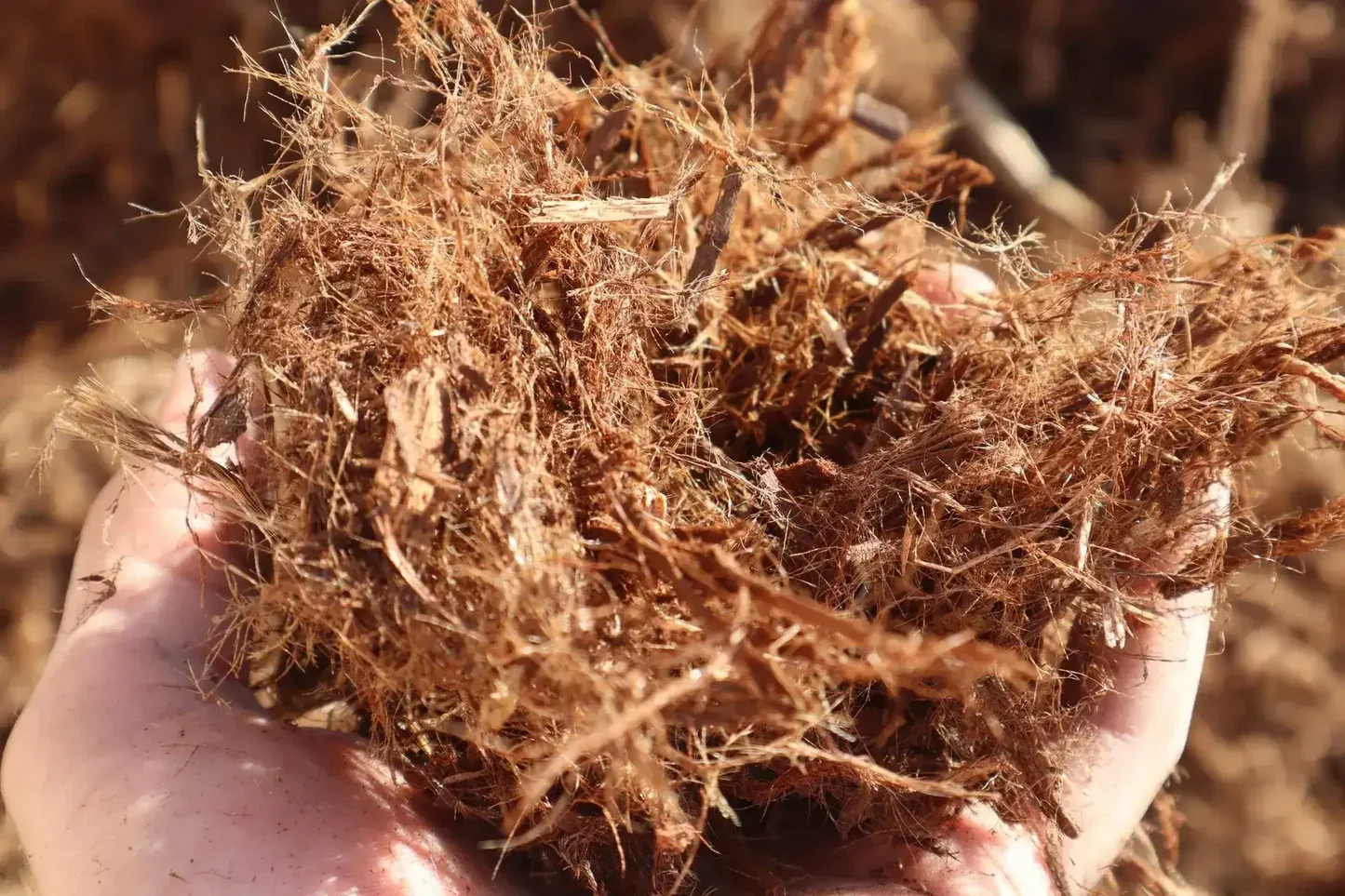
Gorilla Hair Mulch
Gorilla hair is shredded redwood bark, and it earns its name from the long, stringy, fibrous texture it has. The big advantage is longevity — because it's redwood, it resists decomposition and stays in place for years. The fibers also knit together, which means it doesn't wash away on slopes the way other mulches can. The downside is cost. Gorilla hair is significantly more expensive than most wood chips, so I tend to recommend it for visible landscape areas, slopes where erosion control matters, or situations where you want a mulch that won't need replenishing for a long time. It's an investment, but in the right spot it pays off.
Straw (Not Hay)
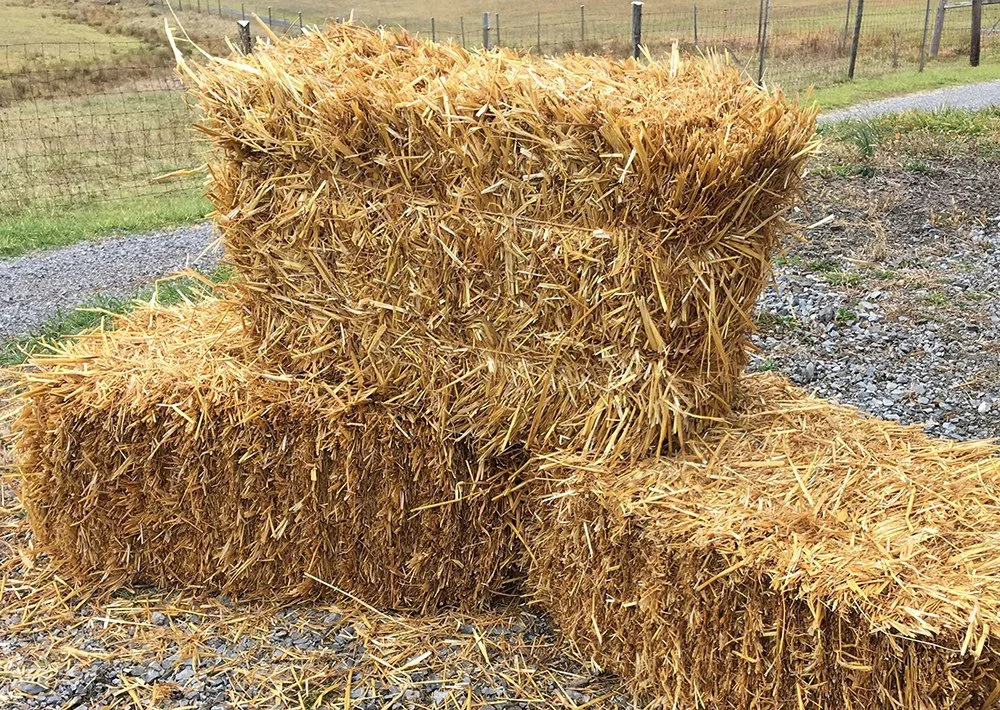
Straw Bale
Straw is a fantastic mulch for vegetable gardens. It's light, it breathes, and it breaks down into the soil relatively quickly, which is ideal for annual beds. But this is where I have to sound a cautionary note: straw is not hay, and the distinction matters enormously. Straw is the dried stalks of cereal grains left over after harvest — it's essentially seed-free. Hay is a mix of grasses and legumes grown specifically as livestock feed, and it is full of viable seeds that will sprout all over your garden if you use it as mulch. If you remember one thing from this newsletter, let it be this one: ask for straw, confirm it's straw, and don't let anyone sell you hay as a mulch substitute. Also, when possible, source organic straw — conventional straw can carry herbicide residues that persist and damage sensitive vegetable crops.
Leaf Mold
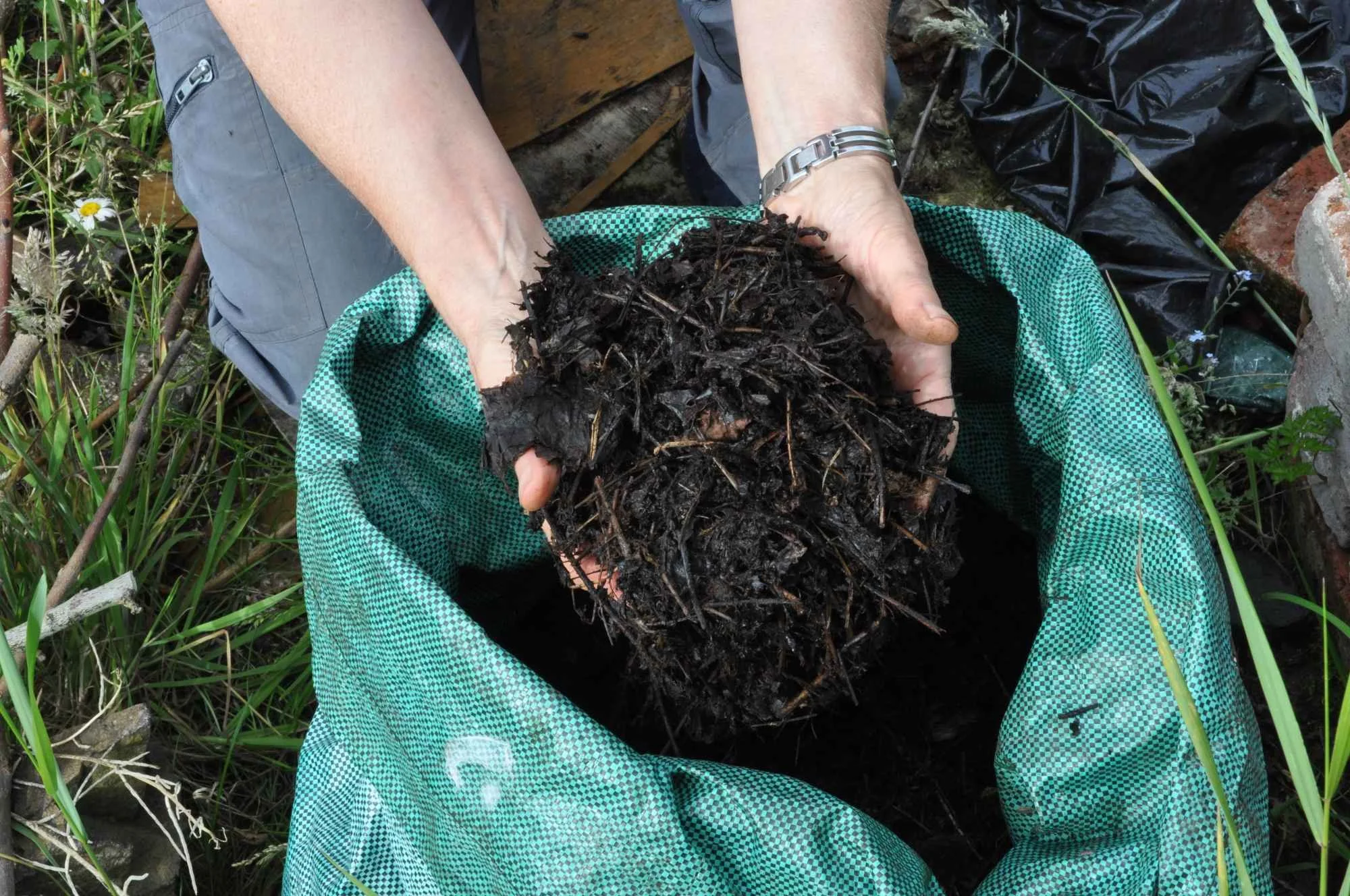
Leaf Mold
Leaf mold is one of the most underrated mulches available, and for most of us it's completely free. When deciduous leaves are collected, piled up, and allowed to break down for a year or so, they transform into a dark, crumbly, earthy material that plants absolutely love. It's gentler than wood chips, richer than straw, and it builds soil structure like almost nothing else. Even partially broken-down leaves work beautifully as a seasonal mulch. If you have deciduous trees on your property or know a neighbor who bags leaves every fall, you have access to a premium soil amendment for the price of hauling it home.
Compost as Mulch
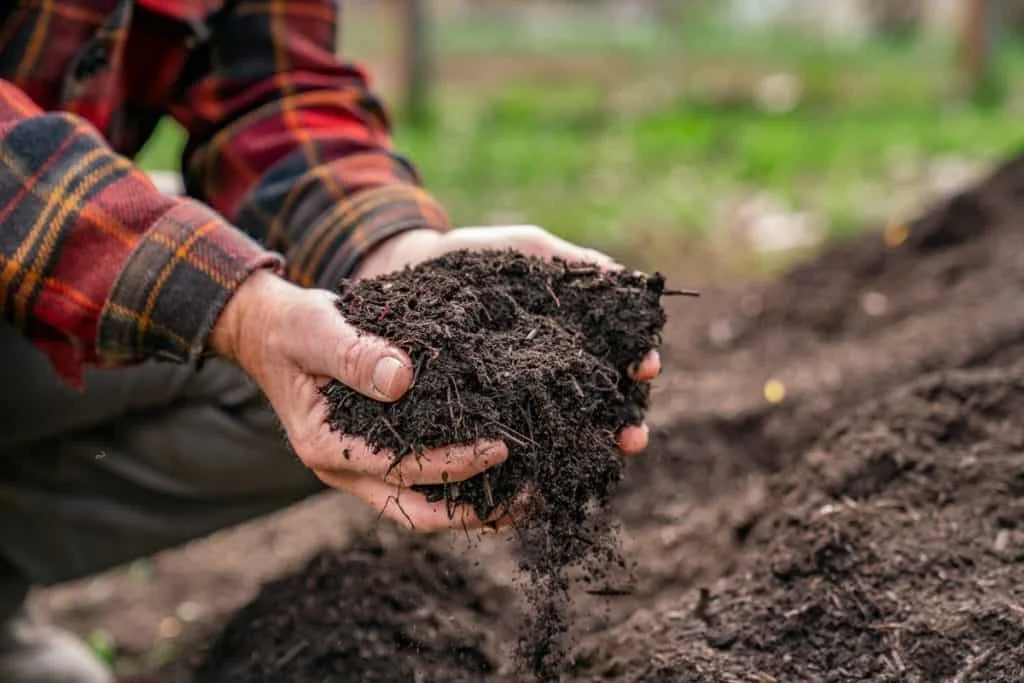
Compost
This one surprises people: compost itself can function as a mulch when it's applied to the surface of the soil. As a longtime advocate of no-dig methods, I love using compost as a top dressing — it feeds the soil biology directly, suppresses weeds, and moderates moisture without any disturbance to the root zone or soil structure below. The main caveat is that pure compost doesn't last as long on the surface as a woody mulch does, so it's often best used in combination. A layer of compost underneath a layer of wood chips or straw gives you the best of both worlds: immediate feeding plus long-term protection.
Living Mulch (Green Mulch)
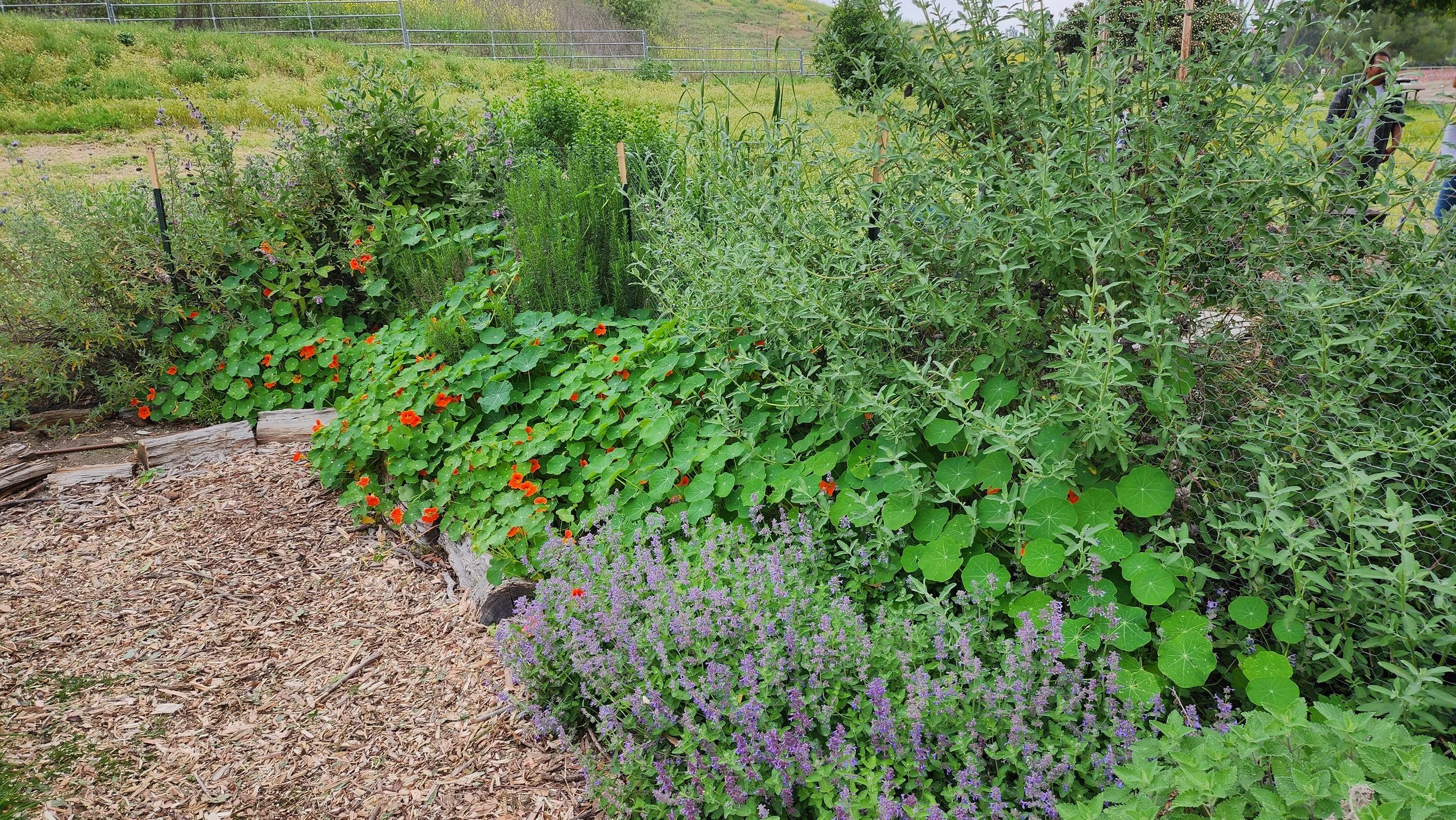
Green Mulch
Finally, there's living mulch — plants that sprawl across the soil surface and act as a living blanket. Nasturtiums are one of my favorites for this, and you can see them doing beautiful work at the Conservation Corps garden. They cover bare soil, moderate temperature, shade out weeds, and attract pollinators and beneficial insects all while producing edible leaves, flowers, and seed pods. Other good candidates include clover, sweet alyssum, and creeping thyme, depending on your goals. Living mulch is one of the most regenerative approaches you can take, because it's working with the garden rather than just covering it up.
A Few Things to Watch For
Whatever mulch you choose, keep these in mind: apply mulch two to four inches deep for most purposes, keep it pulled back a few inches from the stems and trunks of plants to prevent rot and pests, and source it from somewhere you trust. Avoid dyed wood chips, check that straw hasn't been sprayed with persistent herbicides, and when in doubt, ask questions before buying.
Thought of the Week: Tending the Threshold
This week I've been sitting with the idea of transitions. The cool season is giving way to the warm season. My Conservation Corps class is wrapping up its final meeting. Most of the big installations in my parents' yard are planted — there will still be plenty to do, but I'm approaching the point where the "build it" phase gives way to the "tend it" phase. And professionally, I'm looking at a busy stretch ahead: designing a new course for Cal Poly Pomona in May, teaching the HSR program through June and July, and then stepping into a fall semester where I'll be teaching at two institutions at once.
Gardens teach us how to be at home in transitions. A seedling is always becoming a plant. A plant is always becoming a fruit, a seed, a next season. Nothing in the garden ever arrives at a finished state — it just moves from one form to another, and the gardener's job is to pay attention and respond.
Which brings me to a question I want to pose to all of you.
With the major installations at my parents' place winding down, my Monday evening livestream is going to shift in character. I'll still be sharing garden progress, but I won't always have big construction-style updates every week. So I want to hear from you: what would you like to see on the livestream going forward? More time answering questions on camera? More deep-dive segments on specific topics? More weekly check-ins on different corners of the garden as they change through the seasons?
One idea that came up during last week's livestream really excited me. A student mentioned they just put in a California native garden and wanted to show it off, and someone in the comments suggested I should visit students' gardens for the livestream. I love that idea — touring student gardens, hearing their stories, letting viewers ask questions in real time. If you're a current or former student with a garden you'd like to share, or if you're a viewer who'd enjoy that kind of content, let me know. You can leave a comment on the newsletter or send me an email.
Thresholds are where the most interesting work happens. I'm grateful to be standing in one with all of you.
Join me this Monday at 5:30 PM for the Garden Office Hour: Jaboticaba Harvest & Spring Progress livestream — I'll be showing off a jaboticaba preservation method using rum, sharing a spring garden update, and taking your questions live.

.png?t=202604151507090&t=202604151507090)